Home About Us Universities Courses Contact

Sapthagiri Health Sciences

A premium overview of Sapthagiri Institute of Medical Sciences and Research Centre, Bengaluru, built around hospital-based training, multispecialty care, and a strong trust-backed institutional identity on Hesaraghatta Main Road.

Hesaraghatta Campus Medical & Allied Health Teaching Hospital Trust-Run Institution
Previous Page
Overview

A trust-built medical institution on a large Bengaluru campus

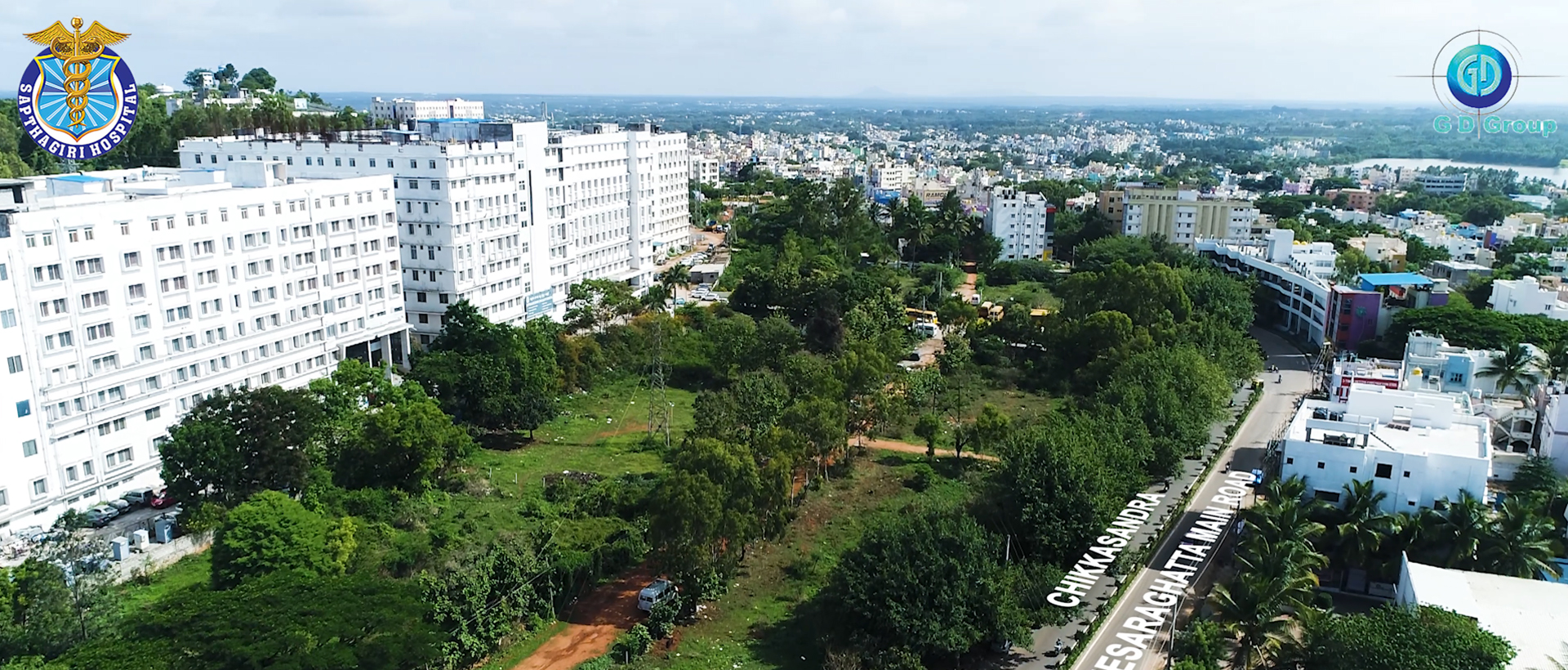
Sapthagiri Institute of Medical Sciences and Research Centre is part of the wider Sapthagiri Group of Institutions created by Sri Srinivasa Educational and Charitable Trust, Bengaluru. The institution is presented as a premier medical-education centre built on a sprawling campus along Hesaraghatta Main Road.

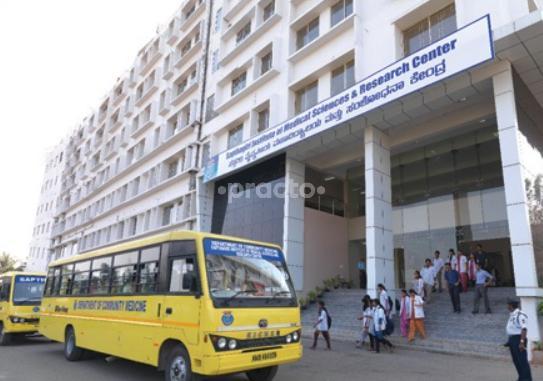
Its model is strongly hospital-led. The centre brings together a multispecialty tertiary care hospital and super-specialty services for the training of MBBS and postgraduate students, while also serving preventive, therapeutic, and rehabilitative healthcare needs of the public.

Institutional Direction

Vision & mission

  • VisionSIMSRC seeks to be a centre of excellence in medical education and healthcare services.
  • MissionThe institute aims to provide outstanding educational experience in medicine and allied health sciences, in a supportive environment rooted in research and integrity.
  • Community roleIt also commits to comprehensive community-oriented health care for individuals and families.
Academic Identity

What shapes the Sapthagiri approach

  • Structured curriculumThe institution describes its academic strength through a well-planned teaching curriculum and strong faculty credentials.
  • Quality focusOfficial institutional language emphasizes quality standards and continuous pursuit of excellence in medical education.
  • Hospital-first trainingThe emphasis is on teaching inside a functioning tertiary care and superspecialty ecosystem, not just classroom instruction.
Clinical Environment

Why the hospital ecosystem matters

Tertiary Care

The college and hospital are presented together as a tertiary-care environment that supports learning through real patient-care exposure.

Superspeciality Support

Superspeciality services strengthen the clinical training base for postgraduate and advanced-care exposure.

Public Service

The institution positions itself as serving health needs across preventive, therapeutic, and rehabilitative domains.

For a medical college like Sapthagiri, this kind of service-linked hospital structure matters far more than package-style outcome reporting. The strongest signal comes from how much real training, case exposure, and supervised clinical work the campus can support.

Campus Character

What students experience on the ground

  • Large suburban settingThe Hesaraghatta campus gives a more spacious and separate institutional feel than tighter city-core medical campuses.
  • Technology-enabled learningThe institution highlights infrastructure such as technology-enabled classrooms and advanced laboratories.
  • Focused academic cultureThe environment is framed around planned teaching, faculty quality, and medical training continuity.
Group Ecosystem

How the broader Sapthagiri network helps

  • Trust backingSri Srinivasa Educational and Charitable Trust underpins the broader institutional ecosystem.
  • Wider educational presenceThe trust also runs Sapthagiri College of Engineering and other establishments, giving the brand wider visibility in Bengaluru.
  • Institutional continuityThis broader trust structure can matter to students and parents looking for a more established education-group setting.
Why It Matters

A premium trust-backed medical option in Bengaluru

Sapthagiri stands out for students who want a private medical college with a straightforward, hospital-led identity. It does not primarily market itself as a lifestyle campus. Instead, it emphasizes teaching quality, faculty strength, tertiary-care exposure, and service-oriented medical education.

That makes it a relevant Bengaluru shortlist option for students who want a more traditional medical learning environment, a large outer-city campus, and a trust-backed institution that frames medical education around both competence and community responsibility.